teaching philosophy
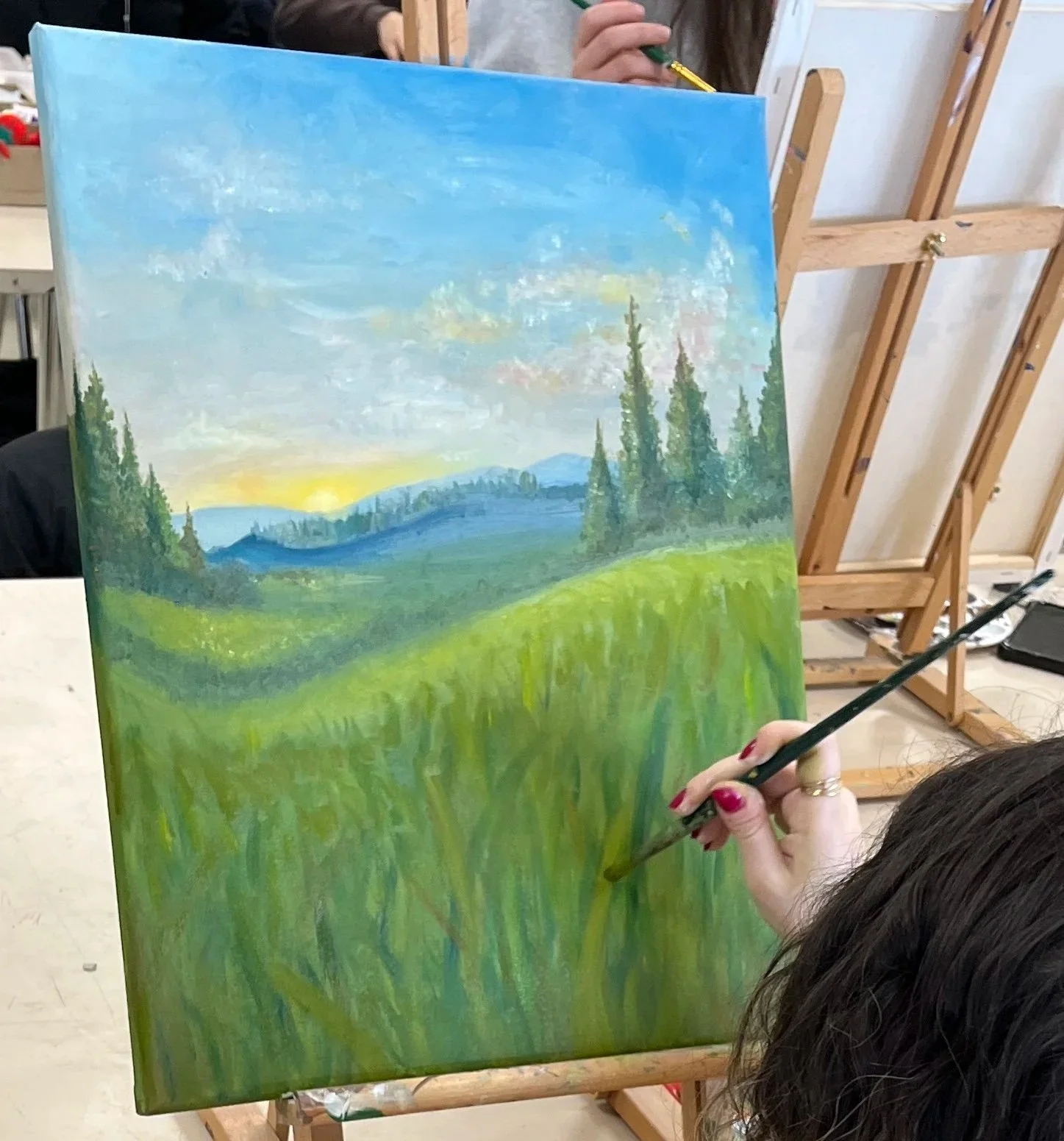
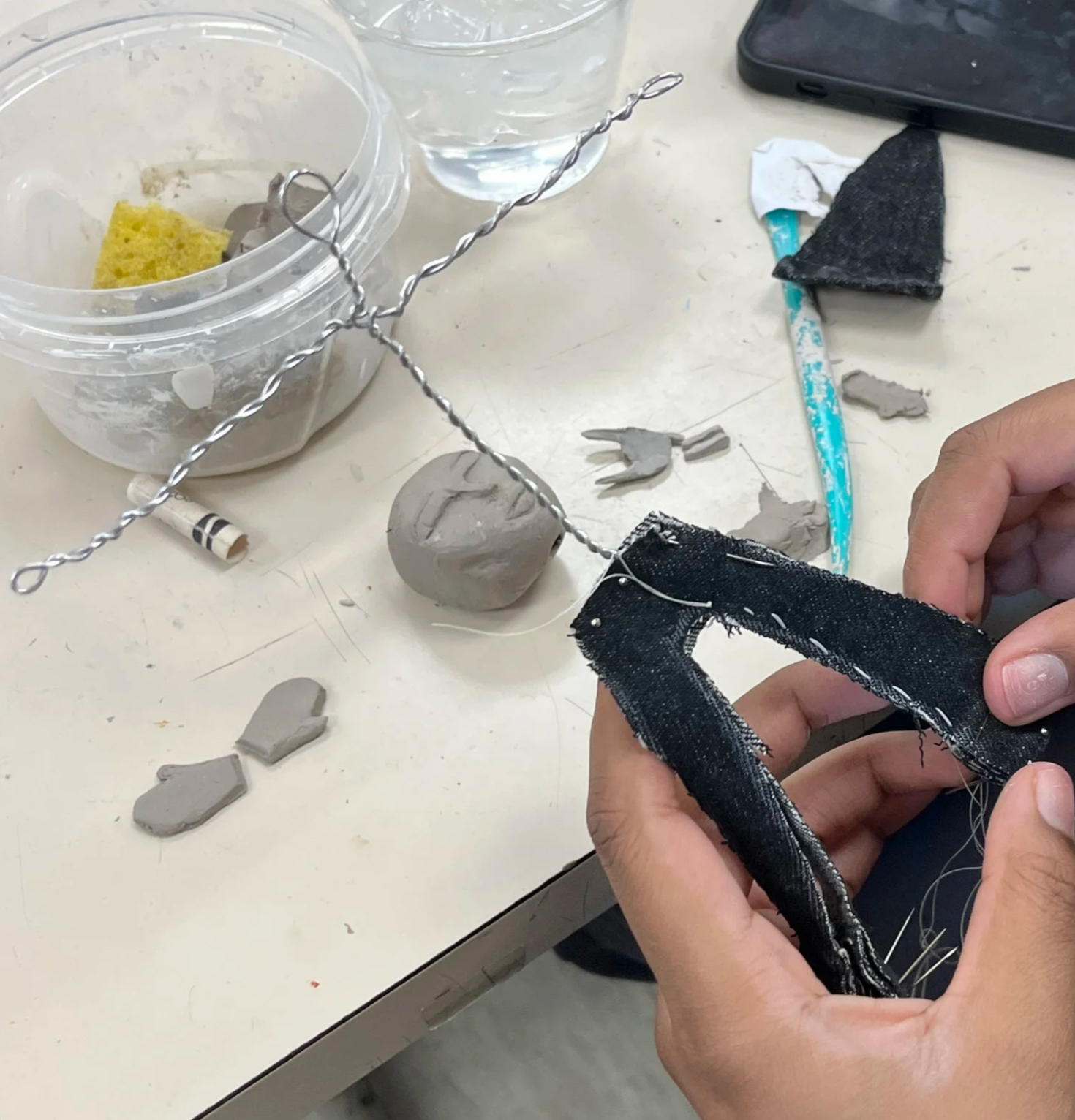
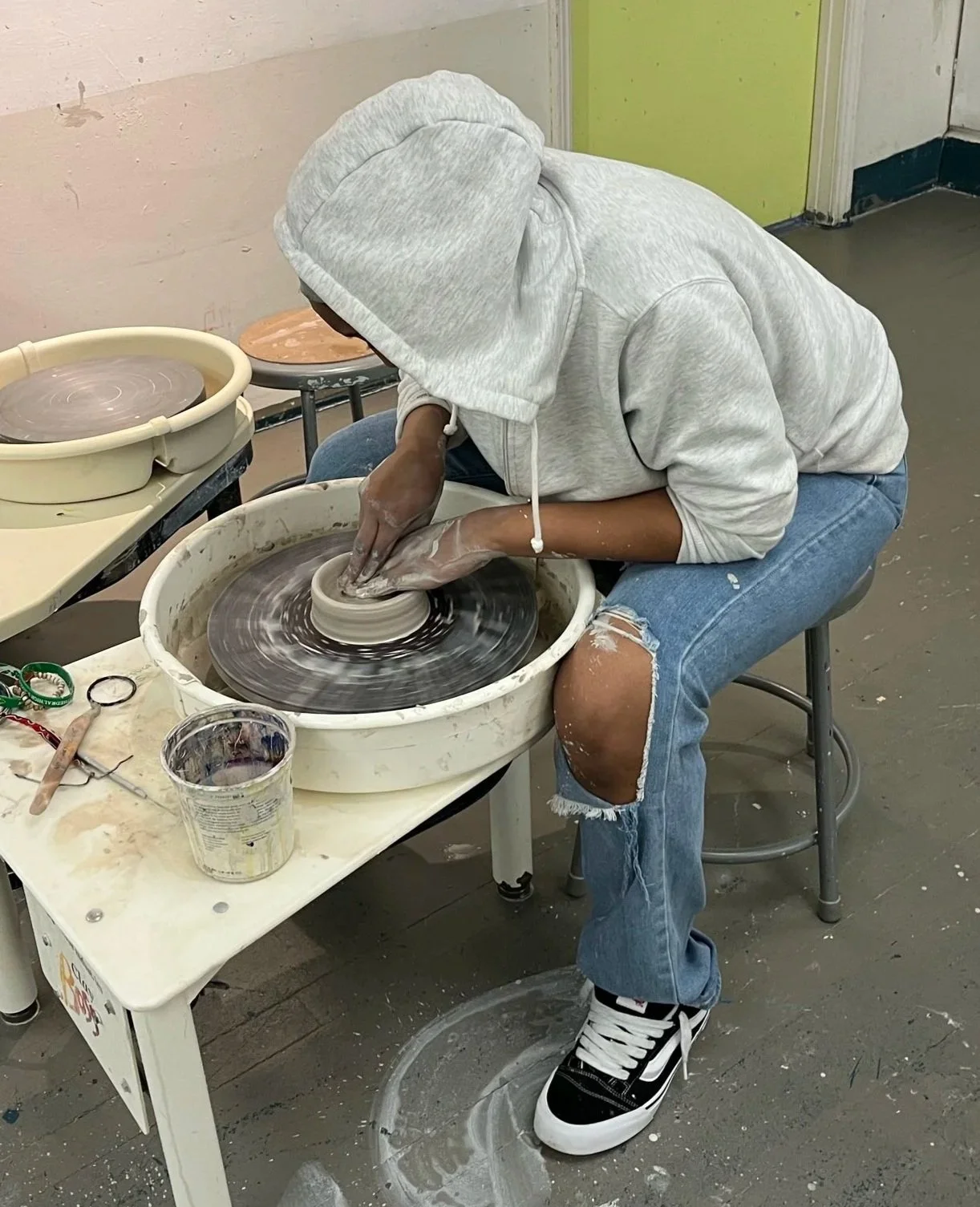
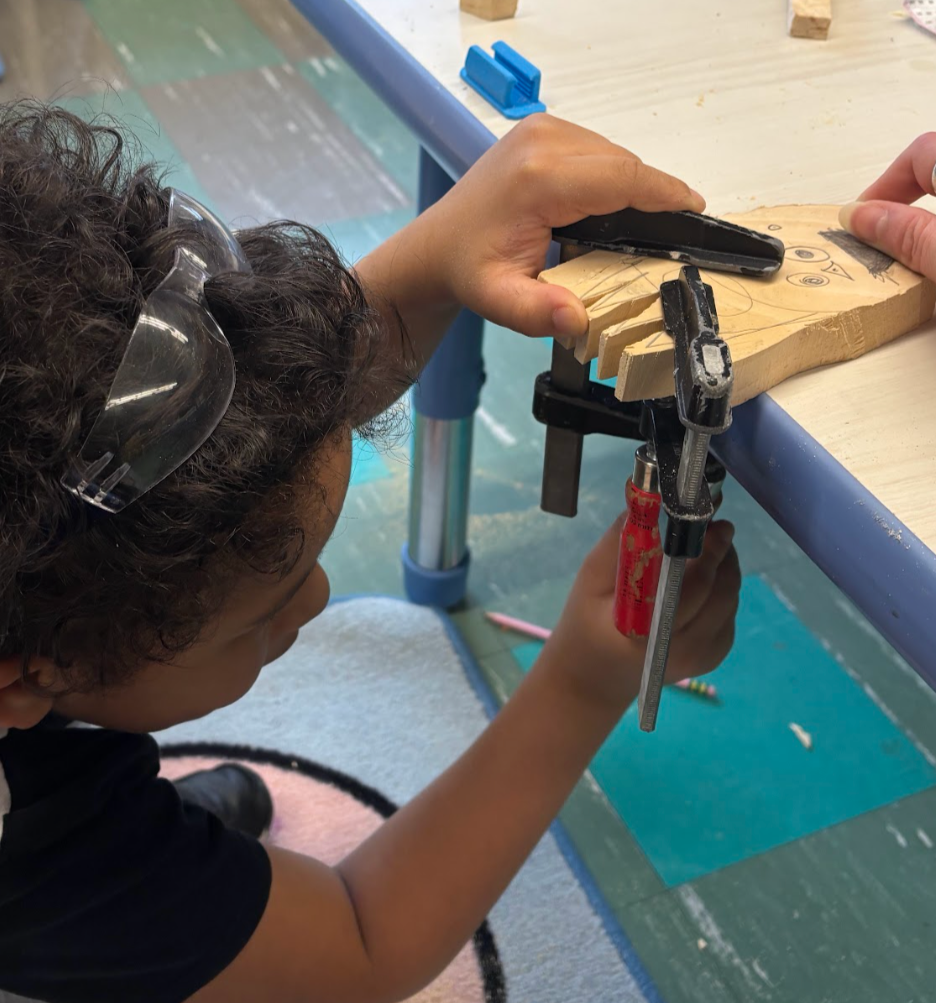
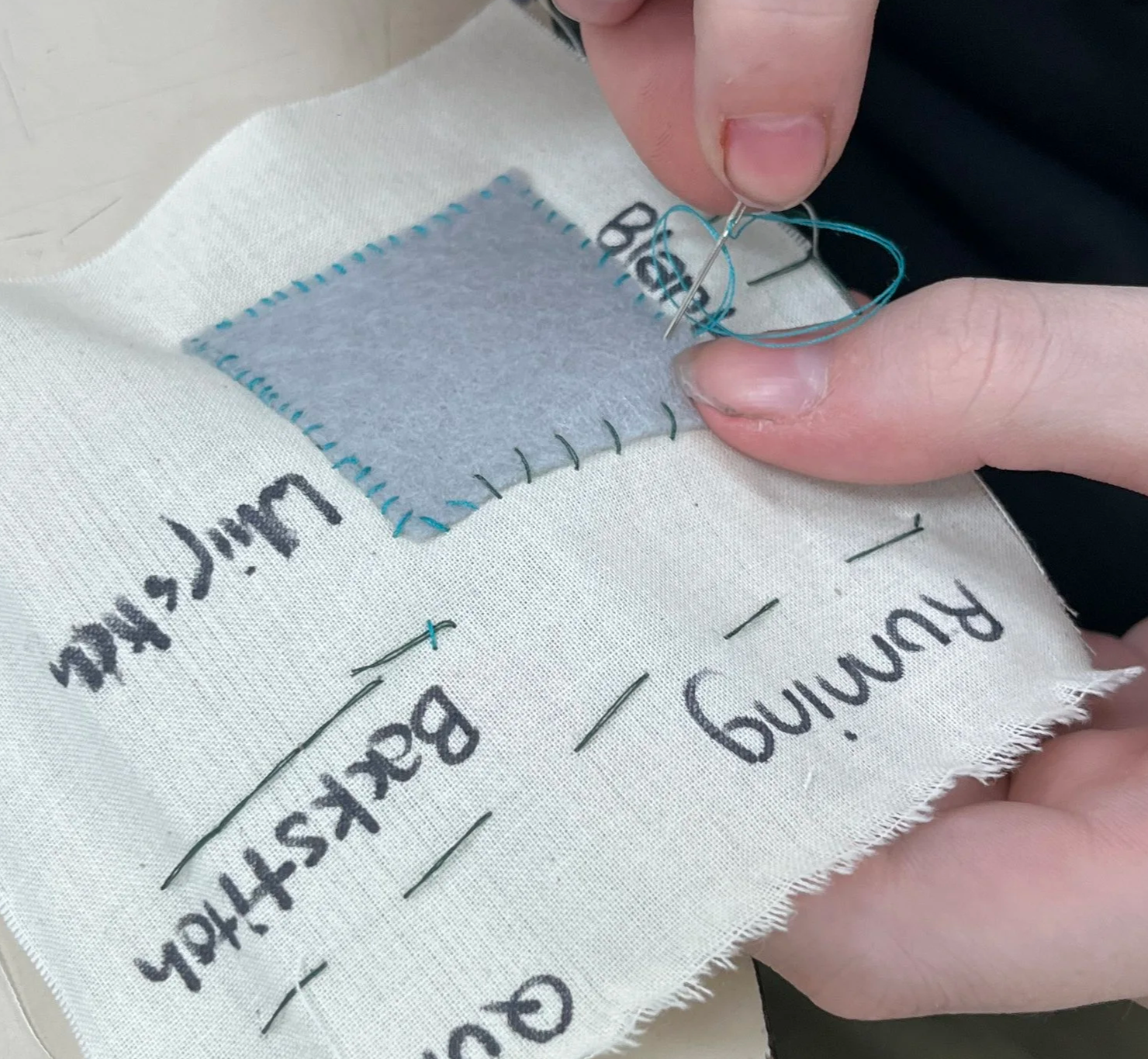
I believe anyone can and should make art. I want to ensure students know that the possibilities are truly endless. Students may get in their own heads about their artistic abilities or what they “can” or “cannot” do, but that should be the only obstacle they face in their artistic journey. The arts provide important and healthy opportunities for students to process certain elements of their lives and identities. Art gives them their own voice through its universal language.
Beyond the art room, my strong belief in the importance of accessibility extends to the importance of public education. Everyone deserves access to high-quality education. High quality public education is essential in promoting positive youth development and in providing healthy tools, strategies, and outlets for students to get through their day-by-day, setting them up for success in their lives outside of school. Many students already face barriers in their daily lives, and I want my classroom to allow them the space to exist without any limitations. These students are developing young individuals, and they need to know how much they matter and how much they can accomplish as early as they can.
I view the classroom as a microcosm of the greater school community, local community, and global community. What is modeled and practiced within the classroom shapes how students interact with the world once they leave. In my classroom, I want to emphasize the importance of community and the way we work with each other. We are all there to learn, grow, and support each other. My classroom will be free of judgement, and will promote communication and collaboration.
On a fundamental level, a classroom must provide a safe and supportive space for students to fully and critically engage in their learning process. I believe students’ sense of safety becomes vital within the art classroom due to the inherent vulnerability of self exploration and expression. Through the arts, students learn to advocate, communicate, and empathize. If a student feels negatively in the art room, these soft skills will be nearly impossible to learn and develop. While in my classroom, I want them to take advantage of the facilities, teacher and peer support, and materials provided, and take those skills with them outside of the classroom.
I want my classroom to provide students the space to develop an understanding of themselves and their voice through the arts. When developing my curriculum and lessons, I want to work with them and keep their interests, curiosities, and identities in mind. They will likely be more engaged and motivated in their work if they sense their own agency in their work. I want to maintain a certain level of open-endedness and flexibility in my lessons so students can authentically apply themselves to their work. I believe that experience, process, persistence, and experimentation are what make a successful artistic product. Experimentation and play allow for kids’ curiosity and ideas to develop. They learn how to creatively problem solve and understand there is no one solution to anything. I care significantly more about them learning about themselves, the arts, and the world than I do about them perfecting their technique.
I know I’ve succeeded as a teacher when I see students stepping outside of their comfort zone, because it shows me they felt safe enough to do so, and that is where the most learning happens! As for myself, my learning will never stop, even after I become the teacher. I am committed to continuously growing as an art educator and artist so I can provide quality education, stay up to date with varying practices, expand upon my own artistic and creative thinking, and provide for my students to the best of my abilities.